

August 10, 2026
July 23, 2026
Author: Mark Parlee
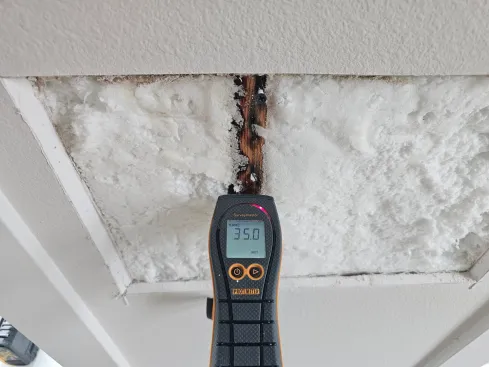
I was recently called by one of the largest builders in the Midwest to a town home development where mildew growth was appearing in wall corners and near some baseboards along exterior walls… In my initial walk-through with the builder, I scanned the interior drywall surfaces with a Tramex moisture meter, which registered a moisture content (MC) of more than 80% in some places—well above the level where wood starts to decay. Based on these initial findings, we made some exploratory cuts through the drywall where we found water droplets trapped behind the poly vapor retarder.
January 27, 2026
475 High Performance Building Supply
Author: Staff
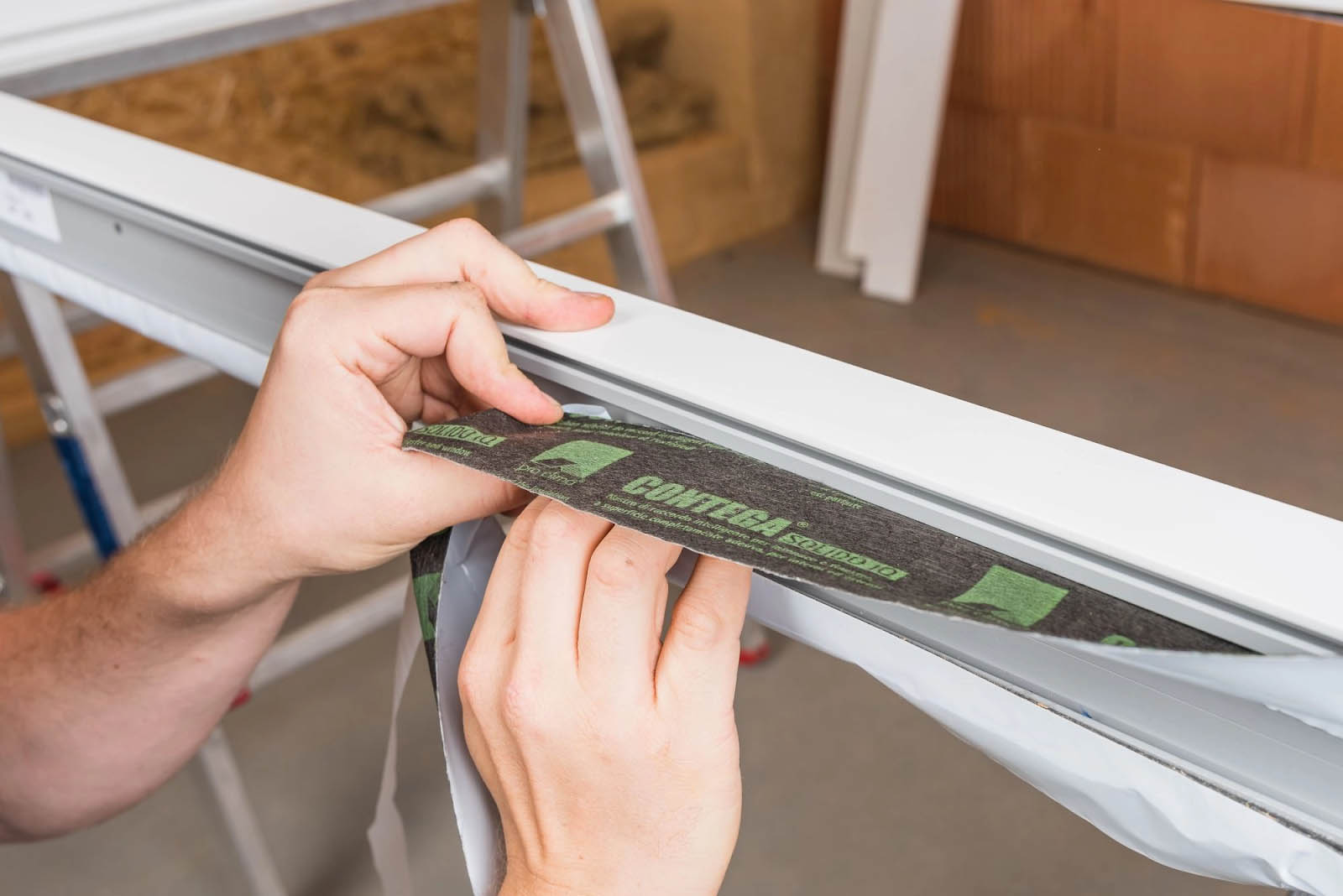
475 offers the CONTEGA SOLIDO IQ-D tape as a double-sided window tape option. This double-sided tape can be used for “zero-reveal” taping. This approach can be used on the interior and/or the exterior. Zero-reveal-taping is the simplest and most robust way to air and waterproof the window. Pro Clima has put a lot of thought into airtight window installation methods, and offers additional adhesive strips integrated into their tapes to simplify Zero-Reveal-Taping. They figured out that you can save an incredible amount of time by doing much of the airsealing BEFORE the windows are installed into the rough opening.

January 9, 2026
Green Building Advisor - January 3, 2026
Author: Kevin Ireton
When builders began to insulate houses in the 1920s and 1930s, the exterior paint began to peel. … By 1938, the problem was common enough that Architectural Record published an article titled “Preventing Condensation in Insulated Structures.” The author, an architect named Tyler Stewart Rogers, argued that insulation was not the problem; indoor humidity was. He proposed a two-part solution: vapor barriers and attic ventilation.
November 17, 2025
Green Building Advisor - January 21, 2011
Author: Martin Holladay
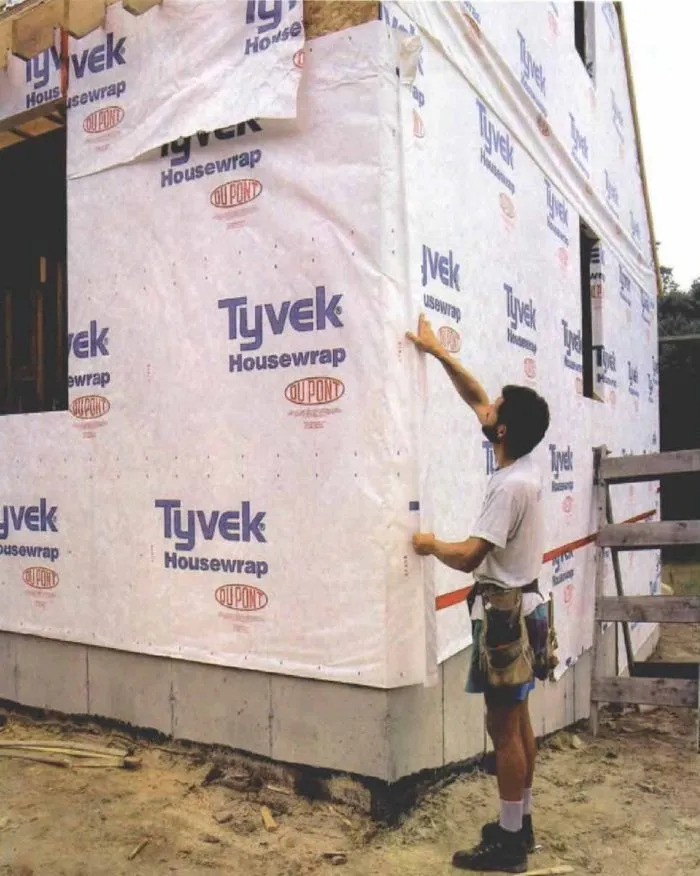
By now, almost all builders know the importance of installing a water-resistive barrier (WRB) behind siding. Most types of siding leak, so it’s a good idea (and a code requirement) to install a WRB to protect your wall sheathing from any wind-driven rain that gets past the siding.
January 9, 2025
Green Building Advisor - July 31, 2013
Author: Alex Wilson
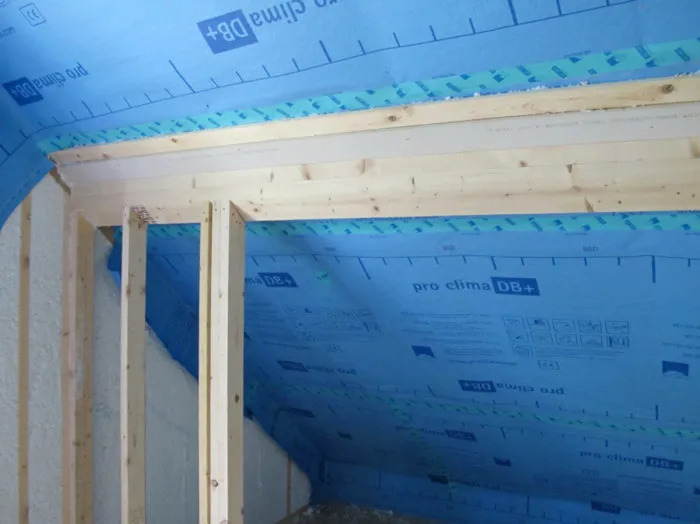
Nowhere in building design has there been more confusion or more dramatic change in recommended practice than with vapor retarders. Thirty years ago, we were told to always install a polyethylene (poly) vapor barrier on the warm side of the wall. Then we were told to forget the poly and go with an airtight layer of drywall (airtight drywall approach). Insulation contractors, meanwhile, often said to skip the vapor barrier; we need to let the wall or ceiling cavity dry out.