

February 2, 2026
Fine Homebuilding - June, 2024
Author: Brian Pontolilo
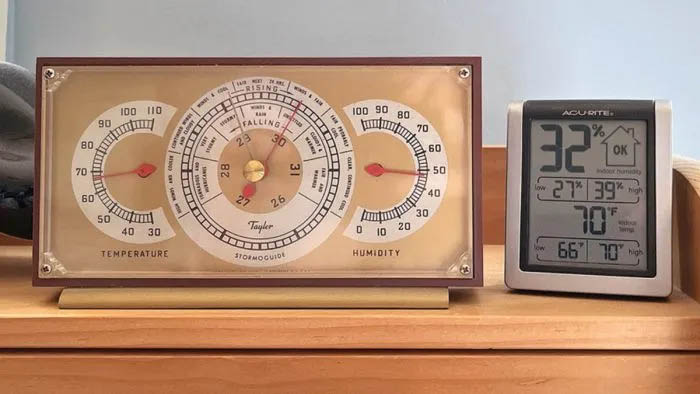
Source control, ventilation, and filtration are the keys to healthy indoor air quality. Dehumidification is important too.
January 27, 2026
475 High Performance Building Supply
Author: Staff
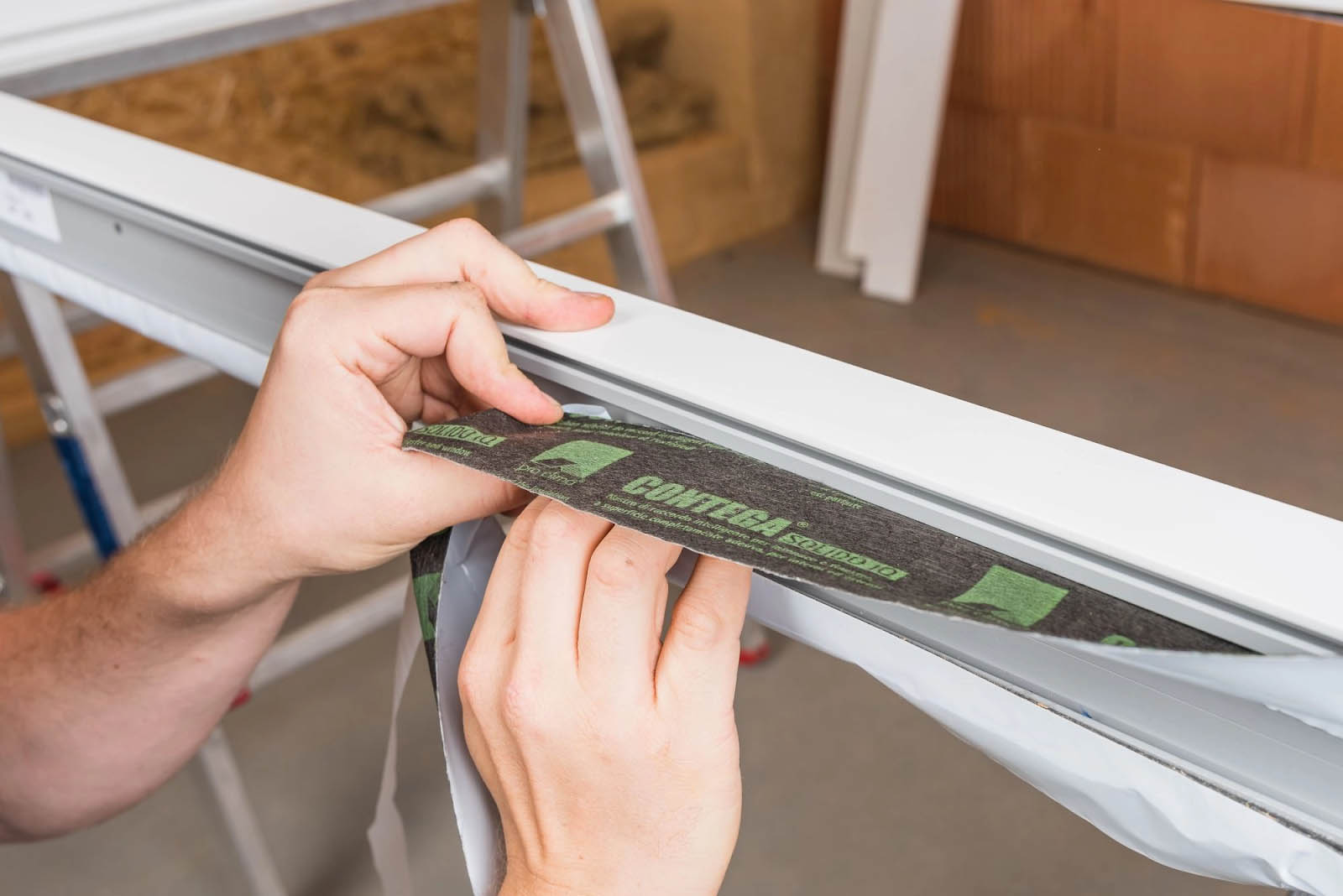
475 offers the CONTEGA SOLIDO IQ-D tape as a double-sided window tape option. This double-sided tape can be used for “zero-reveal” taping. This approach can be used on the interior and/or the exterior. Zero-reveal-taping is the simplest and most robust way to air and waterproof the window. Pro Clima has put a lot of thought into airtight window installation methods, and offers additional adhesive strips integrated into their tapes to simplify Zero-Reveal-Taping. They figured out that you can save an incredible amount of time by doing much of the airsealing BEFORE the windows are installed into the rough opening.
January 9, 2026
Green Building Advisor - January 3, 2026
Author: Kevin Ireton
When builders began to insulate houses in the 1920s and 1930s, the exterior paint began to peel. … By 1938, the problem was common enough that Architectural Record published an article titled “Preventing Condensation in Insulated Structures.” The author, an architect named Tyler Stewart Rogers, argued that insulation was not the problem; indoor humidity was. He proposed a two-part solution: vapor barriers and attic ventilation.

November 17, 2025
Fine Homebuilding - Sponsored Post - Oct. 17, 2025
Author: Aron Jones
When it comes to insulating and air-sealing tricky spaces, spray foam is often the go-to solution. In this New England walk-out basement, Aron Jones of Big Dog Construction Inc. uses Froth-Pak™ 200 Foam System to separate the unconditioned basement from the conditioned living space above. The result is a durable and efficient layer of insulation that’s drywall-ready.
November 17, 2025
Green Building Advisor - January 21, 2011
Author: Martin Holladay
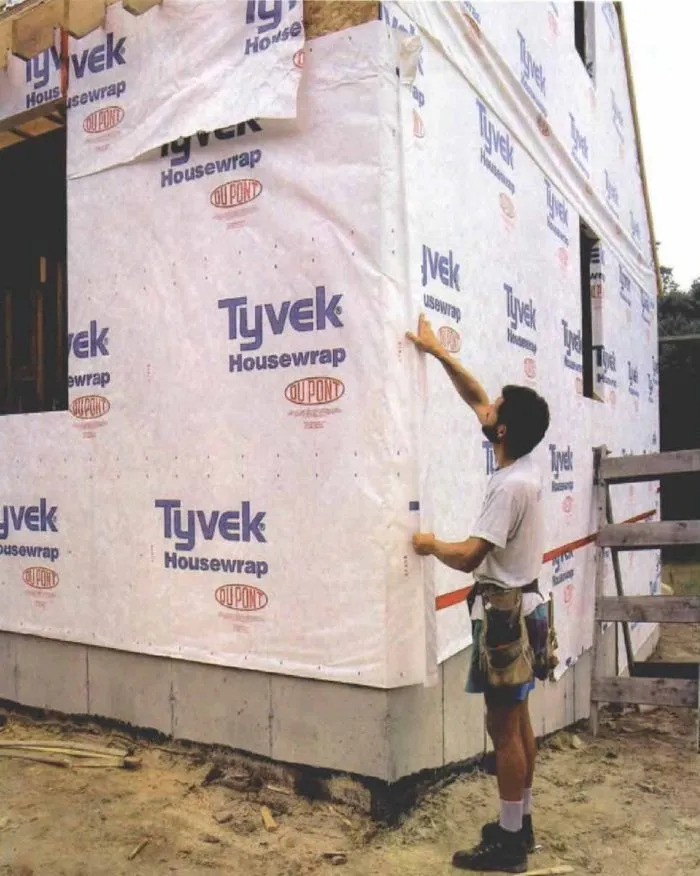
By now, almost all builders know the importance of installing a water-resistive barrier (WRB) behind siding. Most types of siding leak, so it’s a good idea (and a code requirement) to install a WRB to protect your wall sheathing from any wind-driven rain that gets past the siding.

October 8, 2025
Fine Homebuilding - Issue 267 – HOUSES 2017
Author: Kevin Ireton
According to Harvard’s Joint Center for Housing Studies, there will be around a million-and-a-half housing units built in the United States this year (unit includes apartments, condos, and single-family houses). Most of these units will be built to the standard of the applicable building codes. That sounds like a good thing, but remember that the code is a minimum standard, so a house that simply meets code requirements is the worst house you can legally build.
April 3, 2025
Building Science Corp - Dec. 01, 2006
Author: Joseph Lstiburek
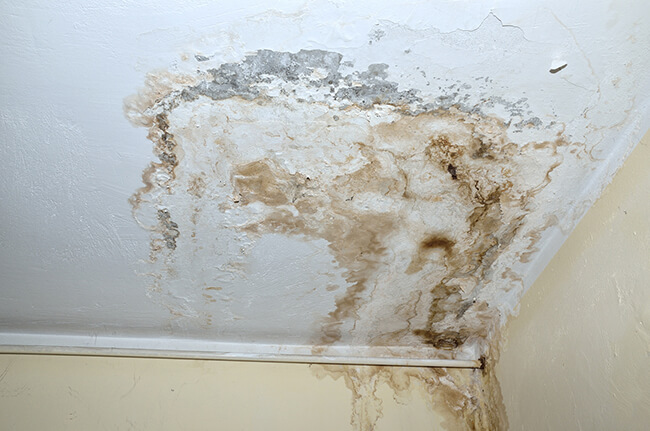
Mold isn’t a bad thing. Without it, we wouldn’t have beer, blue cheese, or penicillin. When mold starts attacking the inside of your house, however, it is a bad thing. Even before the memorable onslaught of hurricanes in 2004 and 2005, we’d seen a lot more moldy buildings. Mold claims in Texas alone increased by five times a few years ago and cost homeowners’ insurers more than $1 billion in 2001. Why?
January 9, 2025
Green Building Advisor - July 31, 2013
Author: Alex Wilson
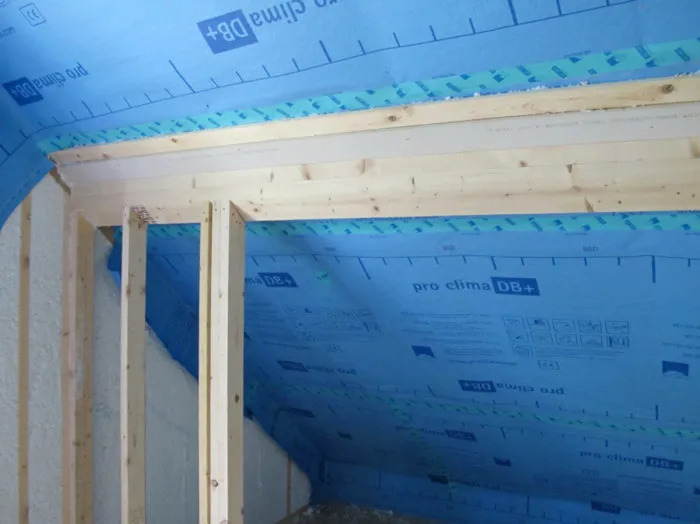
Nowhere in building design has there been more confusion or more dramatic change in recommended practice than with vapor retarders. Thirty years ago, we were told to always install a polyethylene (poly) vapor barrier on the warm side of the wall. Then we were told to forget the poly and go with an airtight layer of drywall (airtight drywall approach). Insulation contractors, meanwhile, often said to skip the vapor barrier; we need to let the wall or ceiling cavity dry out.