

November 9, 2026
VTDigger - May 22, 2023
Author: Alden Wicker
Londonderry contractor Abe Crossman was keeping busy with small projects at his family’s home in June 2020 during the newly arrived coronavirus pandemic. He was working outside when he noticed that the paint was peeling off the trim at the peak of the gable end of his roof.
With 25 years of building experience, he knew that peeling paint indicated the presence of moisture. But the location was odd — that trim underneath the overhang should stay dry. So he grabbed a ladder and a pry bar to take a closer look.

November 9, 2026
Building Science.com Corporation - July 15, 2010
Author: Joseph Lstiburek
The perfect wall is an environmental separator—it has to keep the outside out and the inside in. In order to do this the wall assembly has to control rain, air, vapor and heat. In the old days we had one material to do this: rocks. We would pile a bunch or rocks up and have the rocks do it all. But over time rocks lost their appeal. They were heavy and fell down a lot. Heavy means expensive and falling down is annoying. So construction evolved. Today walls need four principal control layers—especially if we don’t build out of rocks.
August 10, 2026
July 23, 2026
Author: Mark Parlee
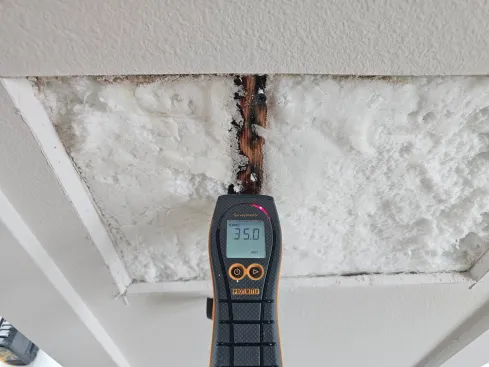
I was recently called by one of the largest builders in the Midwest to a town home development where mildew growth was appearing in wall corners and near some baseboards along exterior walls… In my initial walk-through with the builder, I scanned the interior drywall surfaces with a Tramex moisture meter, which registered a moisture content (MC) of more than 80% in some places—well above the level where wood starts to decay. Based on these initial findings, we made some exploratory cuts through the drywall where we found water droplets trapped behind the poly vapor retarder.
February 2, 2026
Fine Homebuilding - June, 2024
Author: Brian Pontolilo
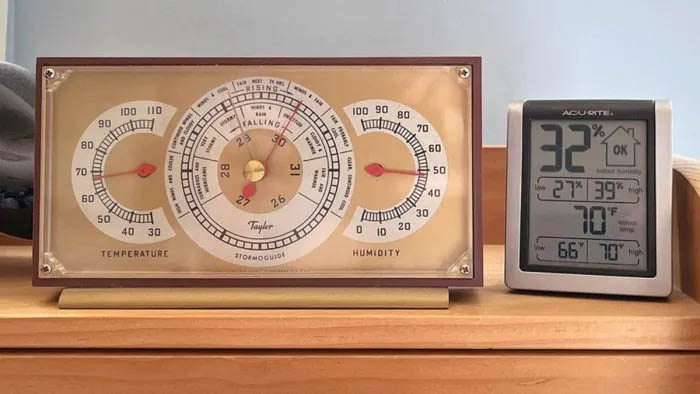
Source control, ventilation, and filtration are the keys to healthy indoor air quality. Dehumidification is important too.
January 27, 2026
475 High Performance Building Supply
Author: Staff
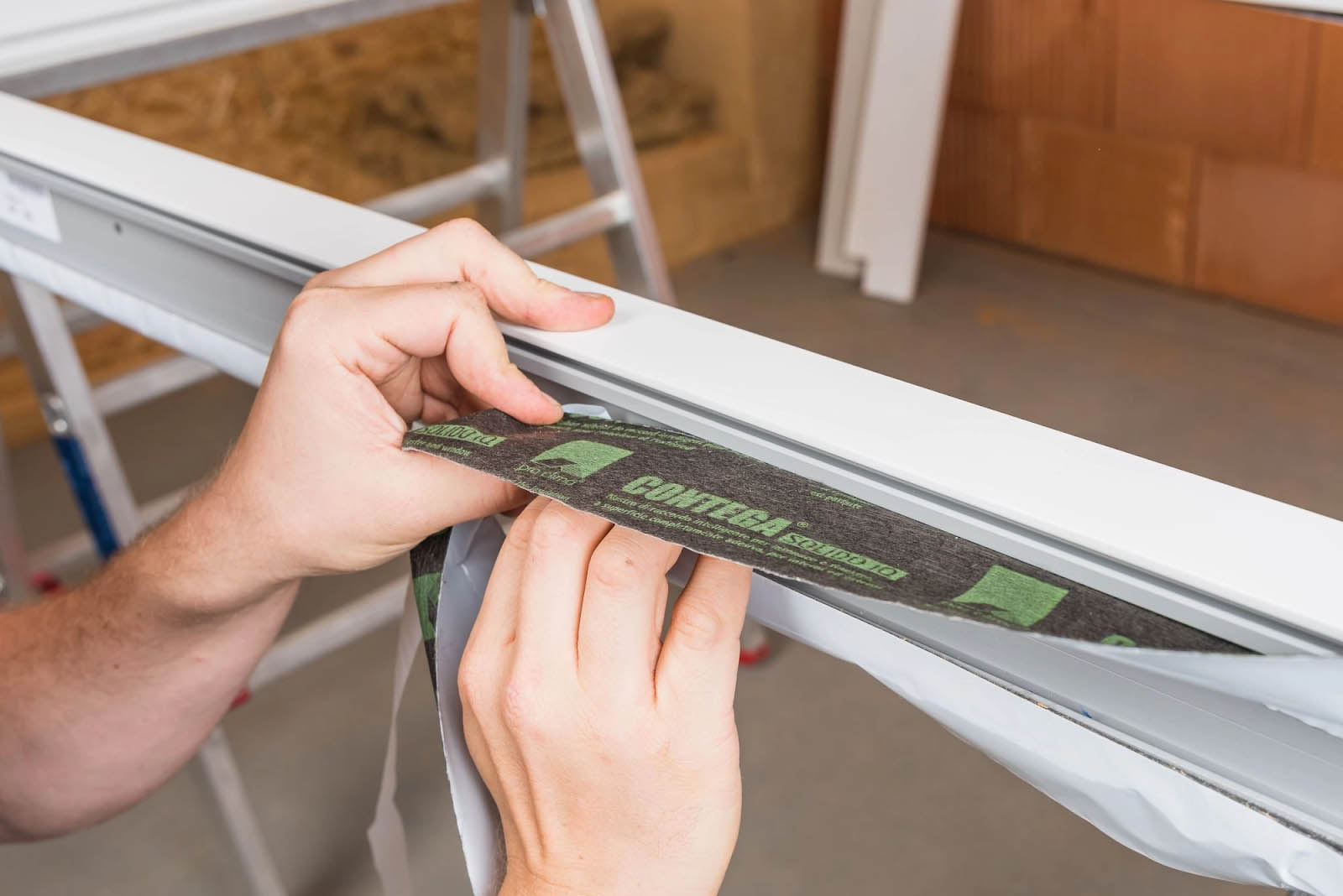
475 offers the CONTEGA SOLIDO IQ-D tape as a double-sided window tape option. This double-sided tape can be used for “zero-reveal” taping. This approach can be used on the interior and/or the exterior. Zero-reveal-taping is the simplest and most robust way to air and waterproof the window. Pro Clima has put a lot of thought into airtight window installation methods, and offers additional adhesive strips integrated into their tapes to simplify Zero-Reveal-Taping. They figured out that you can save an incredible amount of time by doing much of the airsealing BEFORE the windows are installed into the rough opening.

January 9, 2026
Green Building Advisor - January 3, 2026
Author: Kevin Ireton
When builders began to insulate houses in the 1920s and 1930s, the exterior paint began to peel. … By 1938, the problem was common enough that Architectural Record published an article titled “Preventing Condensation in Insulated Structures.” The author, an architect named Tyler Stewart Rogers, argued that insulation was not the problem; indoor humidity was. He proposed a two-part solution: vapor barriers and attic ventilation.

November 17, 2025
Fine Homebuilding - Sponsored Post - Oct. 17, 2025
Author: Aron Jones
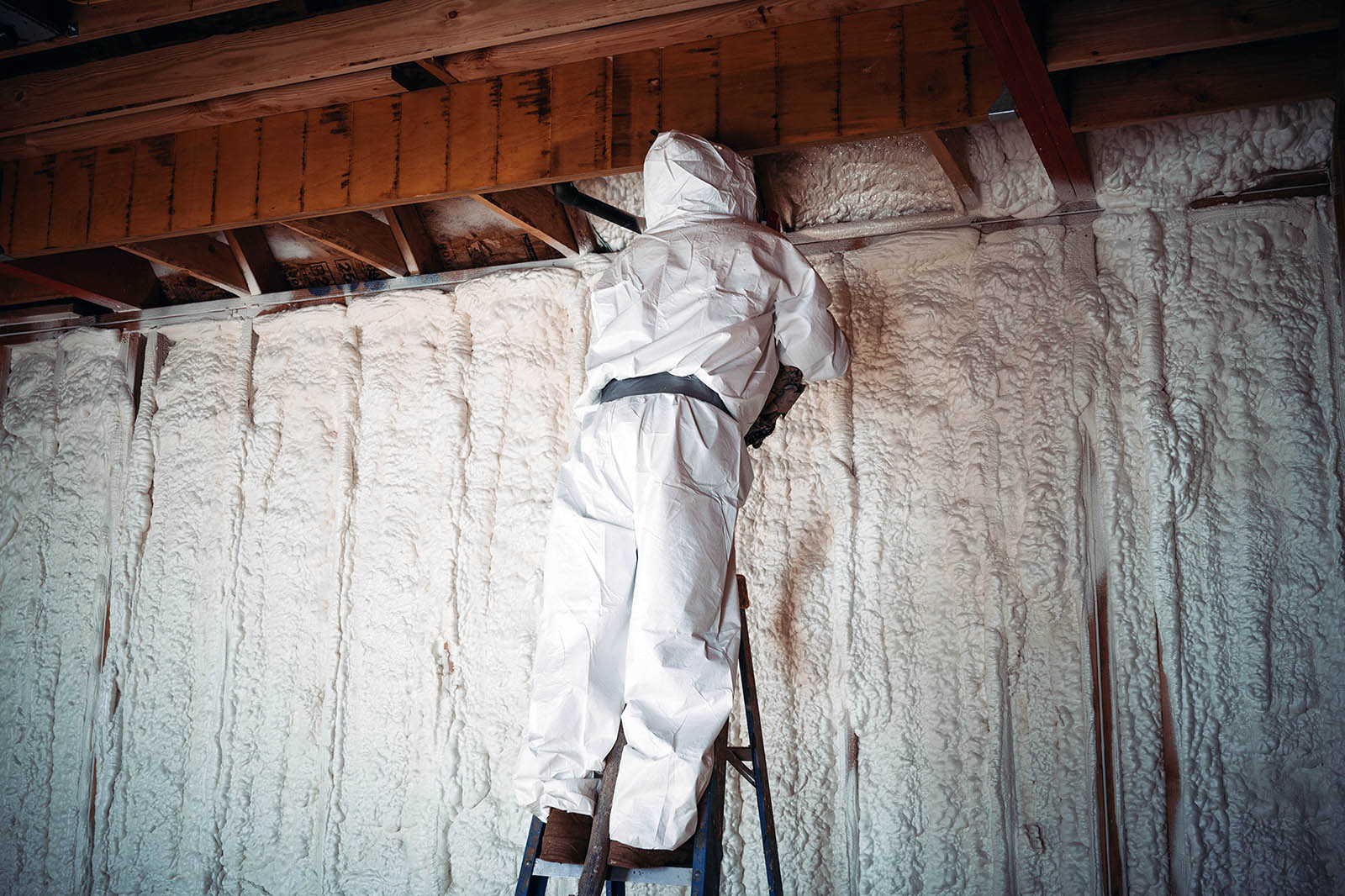
When it comes to insulating and air-sealing tricky spaces, spray foam is often the go-to solution. In this New England walk-out basement, Aron Jones of Big Dog Construction Inc. uses Froth-Pak™ 200 Foam System to separate the unconditioned basement from the conditioned living space above. The result is a durable and efficient layer of insulation that’s drywall-ready.
November 17, 2025
Green Building Advisor - January 21, 2011
Author: Martin Holladay
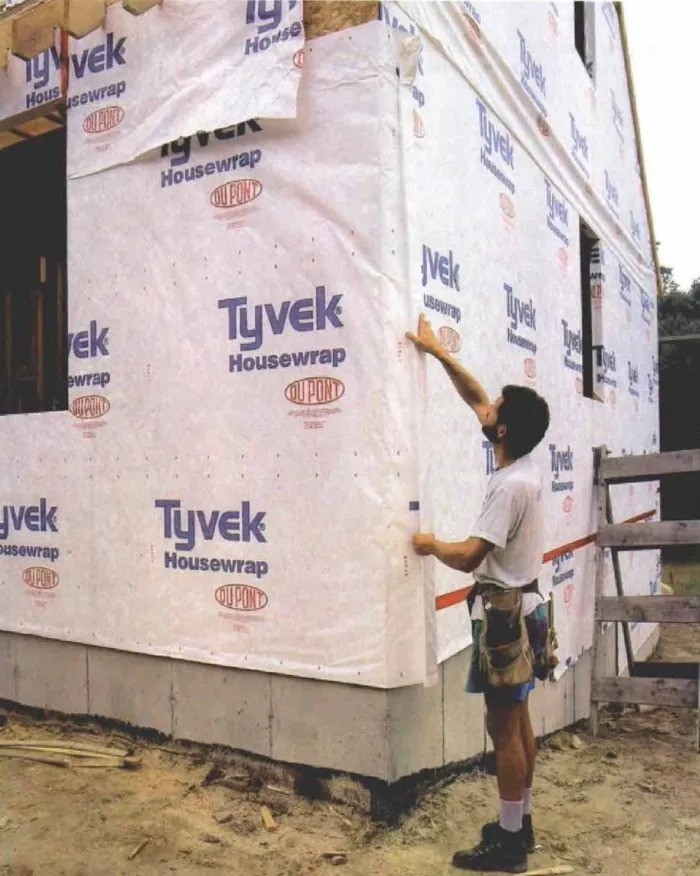
By now, almost all builders know the importance of installing a water-resistive barrier (WRB) behind siding. Most types of siding leak, so it’s a good idea (and a code requirement) to install a WRB to protect your wall sheathing from any wind-driven rain that gets past the siding.

October 8, 2025
Fine Homebuilding - Issue 267 – HOUSES 2017
Author: Kevin Ireton
According to Harvard’s Joint Center for Housing Studies, there will be around a million-and-a-half housing units built in the United States this year (unit includes apartments, condos, and single-family houses). Most of these units will be built to the standard of the applicable building codes. That sounds like a good thing, but remember that the code is a minimum standard, so a house that simply meets code requirements is the worst house you can legally build.
July 31, 2025
Green Building Advisor - July 31, 2025
Author: Allison A. Bailes III, PhD
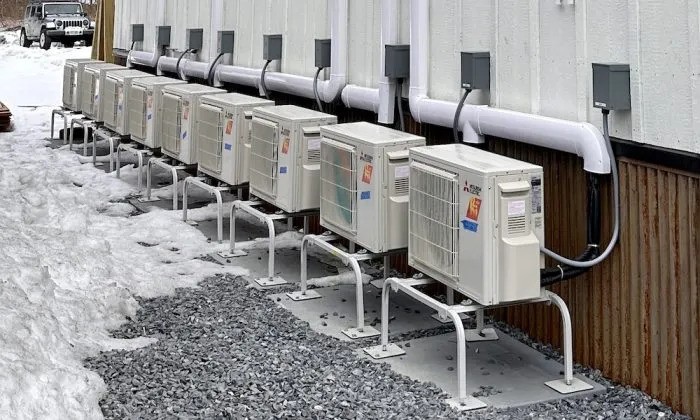
When it comes to minisplit heat pumps, you get to play by different rules. With a traditional split-system heat pump (or air conditioner), there’s one outdoor unit and one indoor unit. But with minisplits, you have the option of connecting multiple indoor units (aka heads) to a single outdoor unit. Sometimes you’ll see this called a multisplit heat pump. Interesting idea, eh? Sounds like it might save money and make things simpler to have only one outdoor unit. But what are the downsides?