
Cape

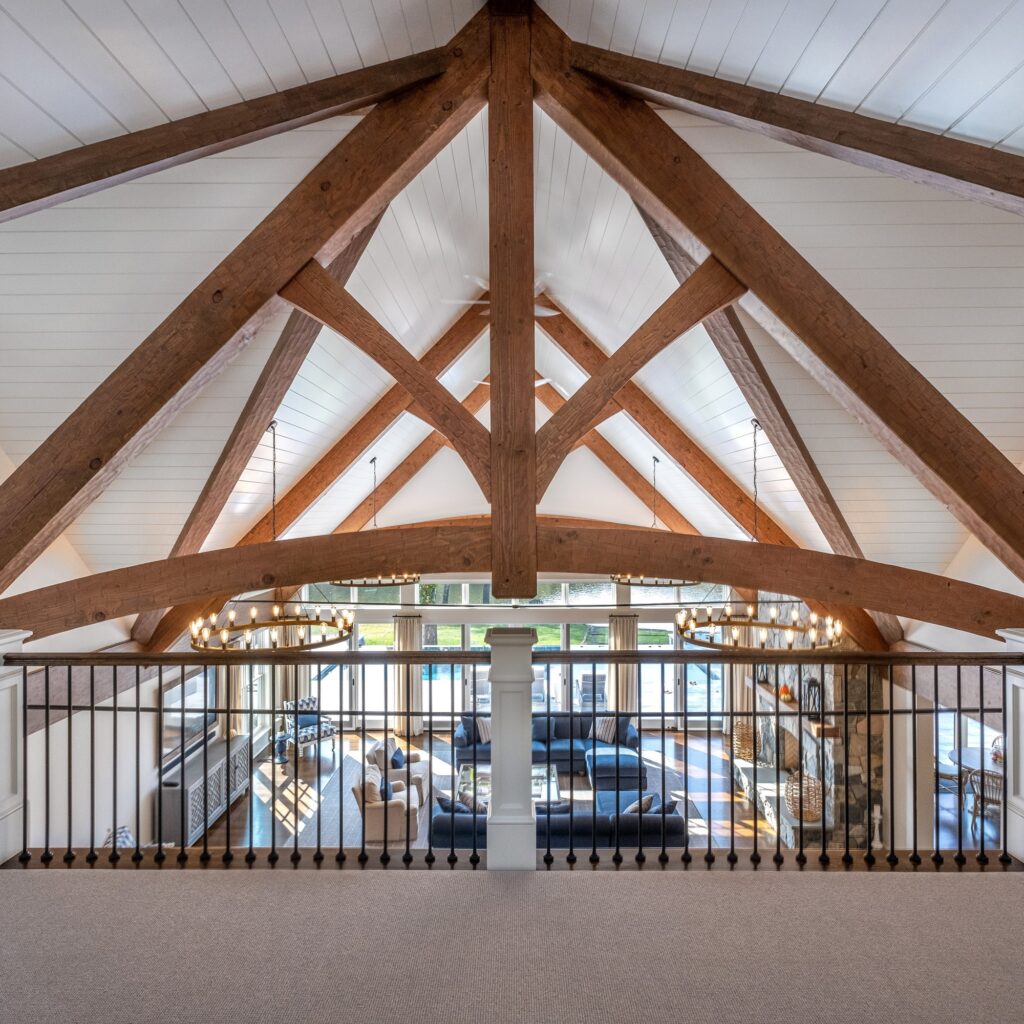
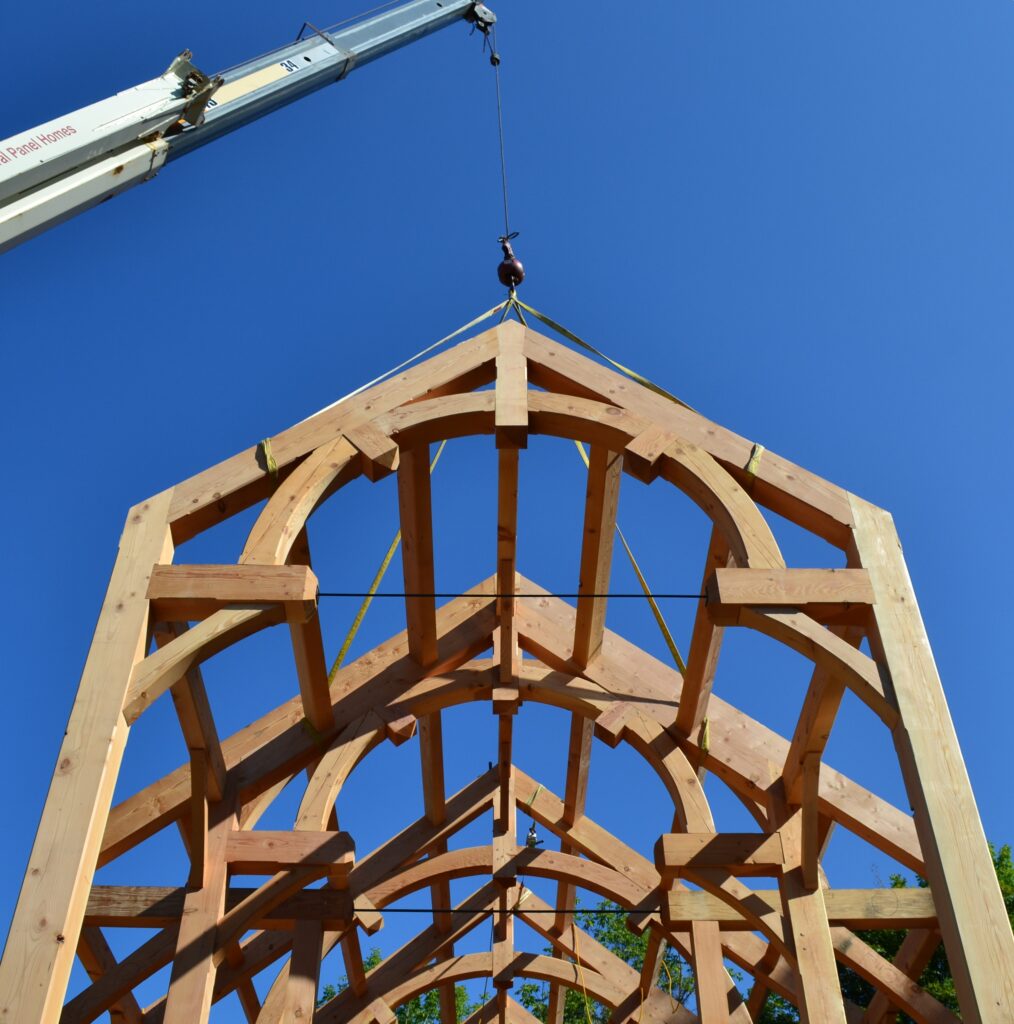
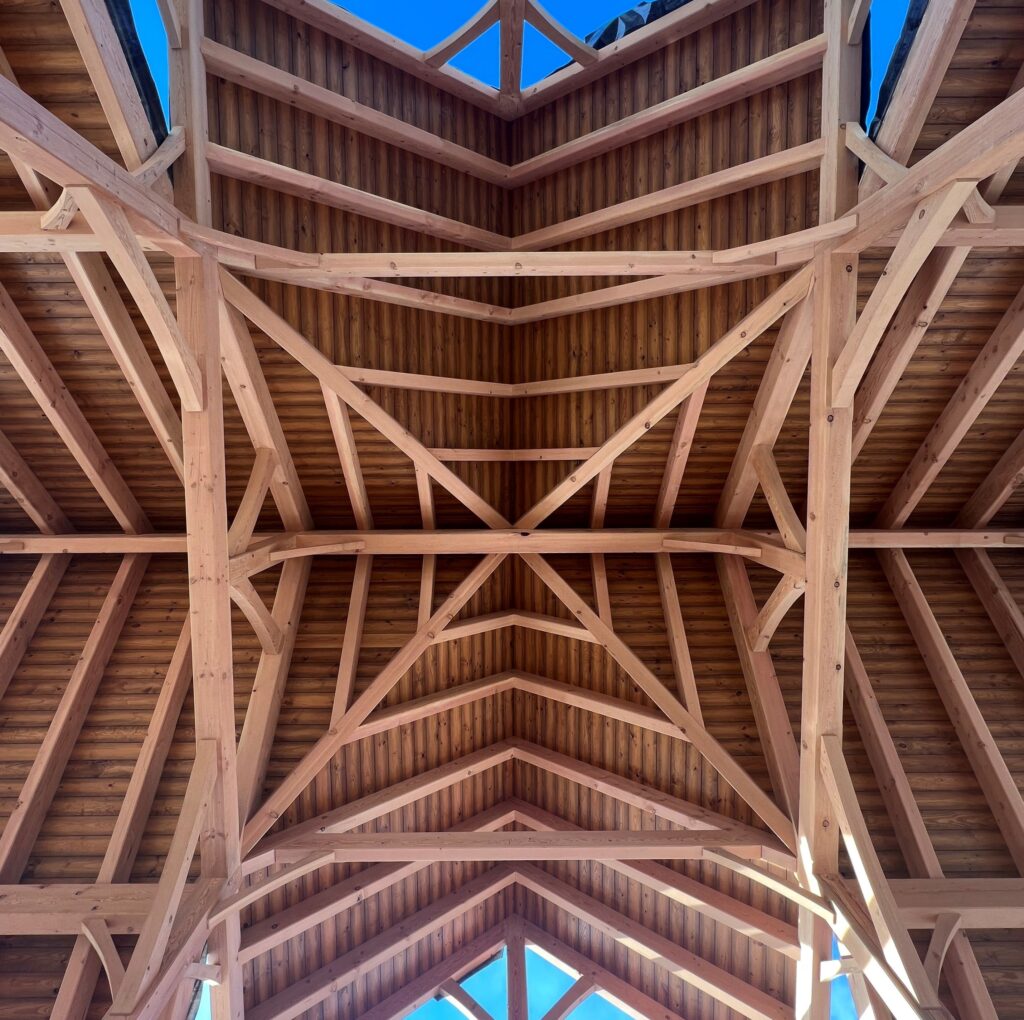
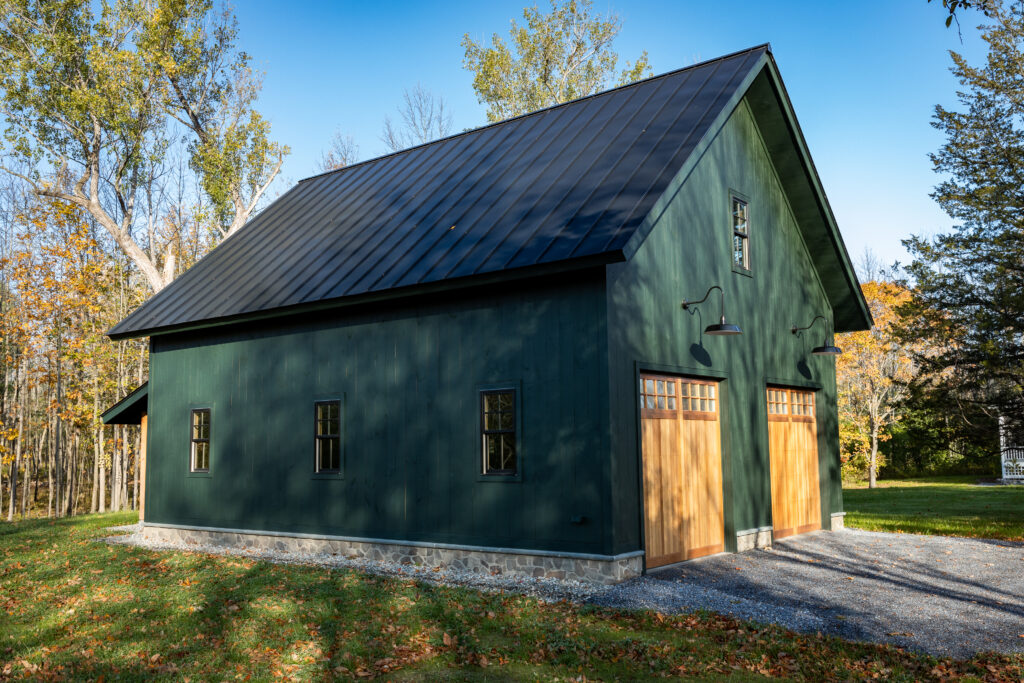
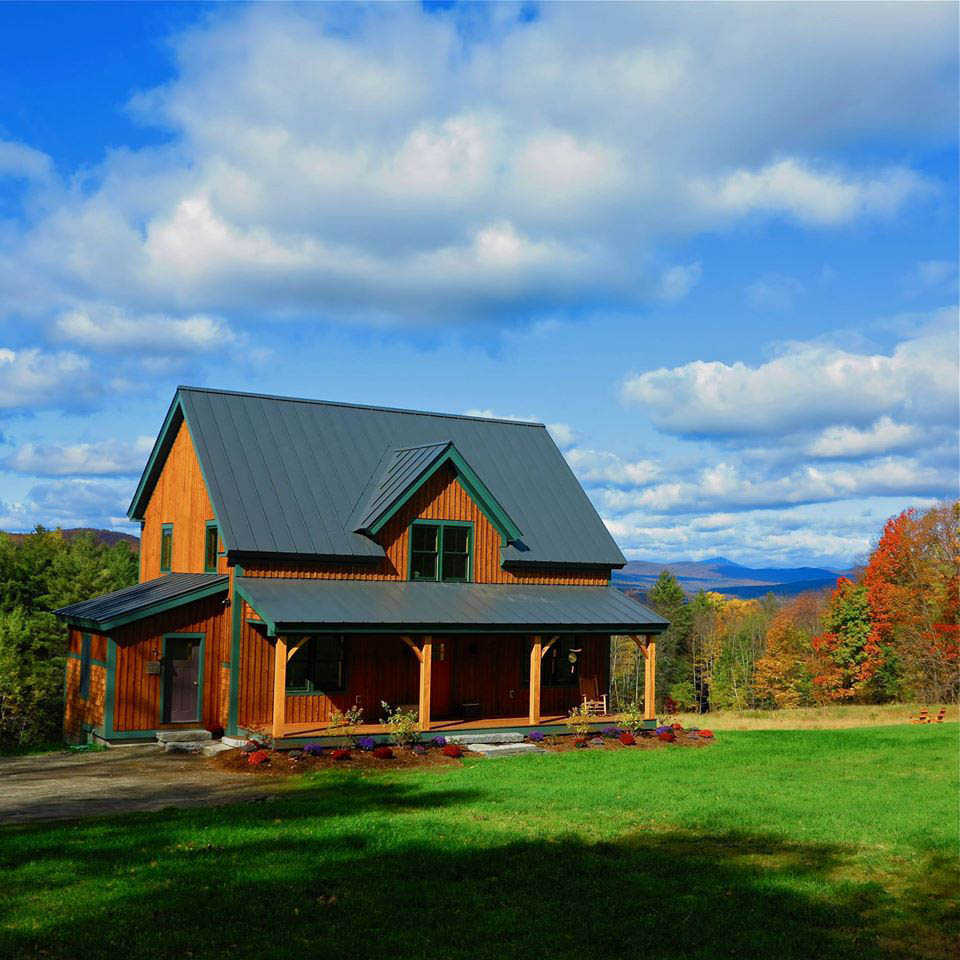
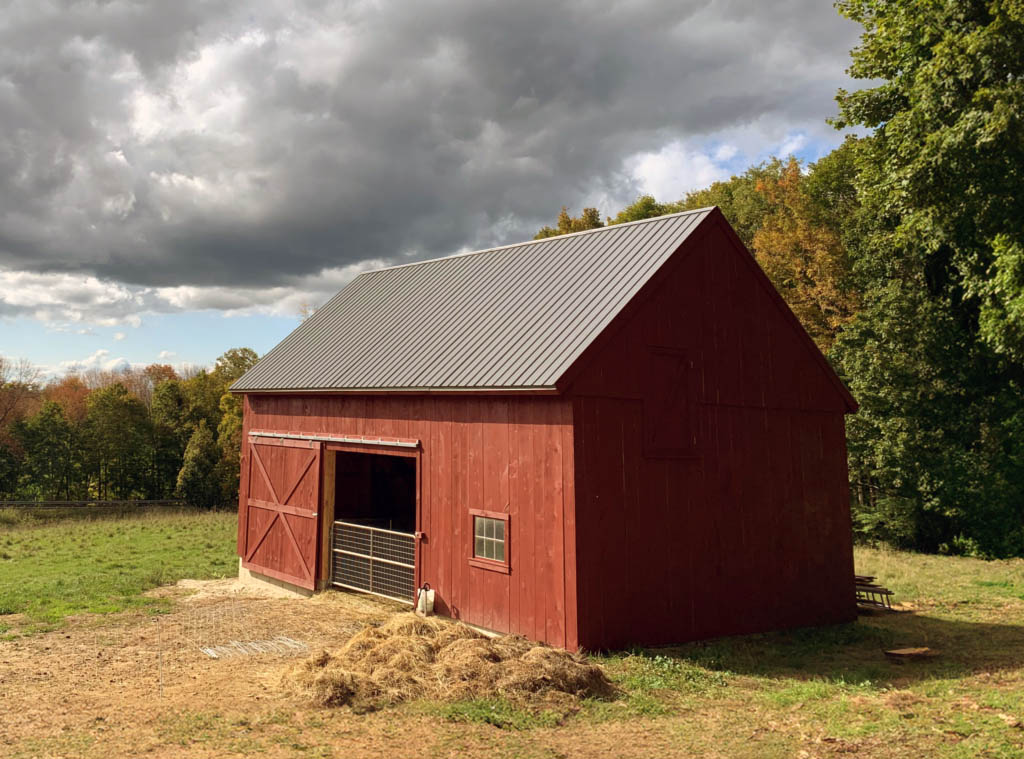
Cape Timber Frame Design
Style: Barn,Cape
Nominal Size: 24' x 24'
Square Footage: 1008 sf
Bedrooms: 0
Bathrooms: 0
Frame & SIPs w/installation starts at: $000,000**
**Price shown is a starting point for rough budgeting purposes only. It assumes the project is installed within 100 miles of Starksboro VT. Pricing is subject to change without notice. Please use the Request an Estimate form to get an accurate number for your project. You can learn about the factors that influence the cost of a timber frame build here.


Cape Plans

Projects
Projects based on or similar to this design.
If nothing shows here it simply means we don't have pictures of the projects based on this design.
About this design:

As with most of the timber frame designs on this site (Bite the Frost Designs are the exception), this is a stock design for you to start with. Use the Request an Estimate form to get started with this design.


What we provide:
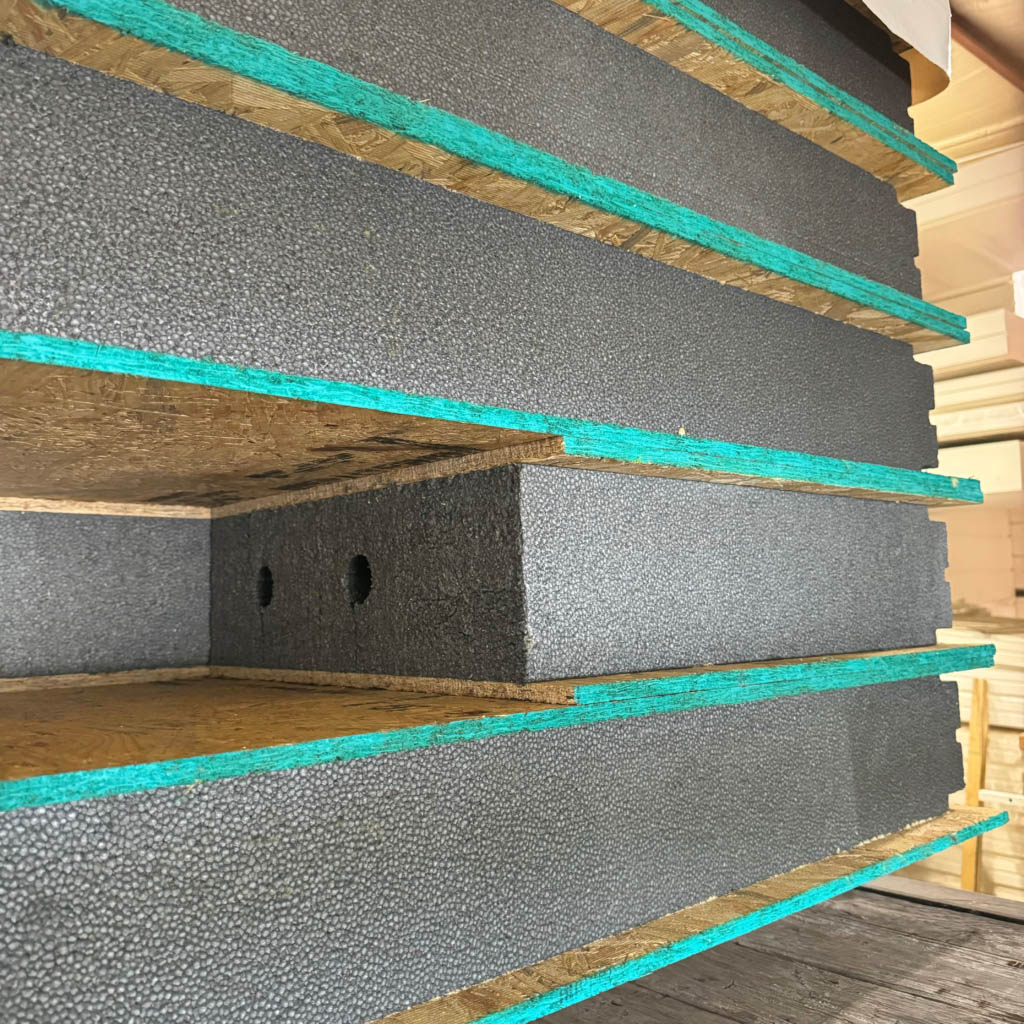
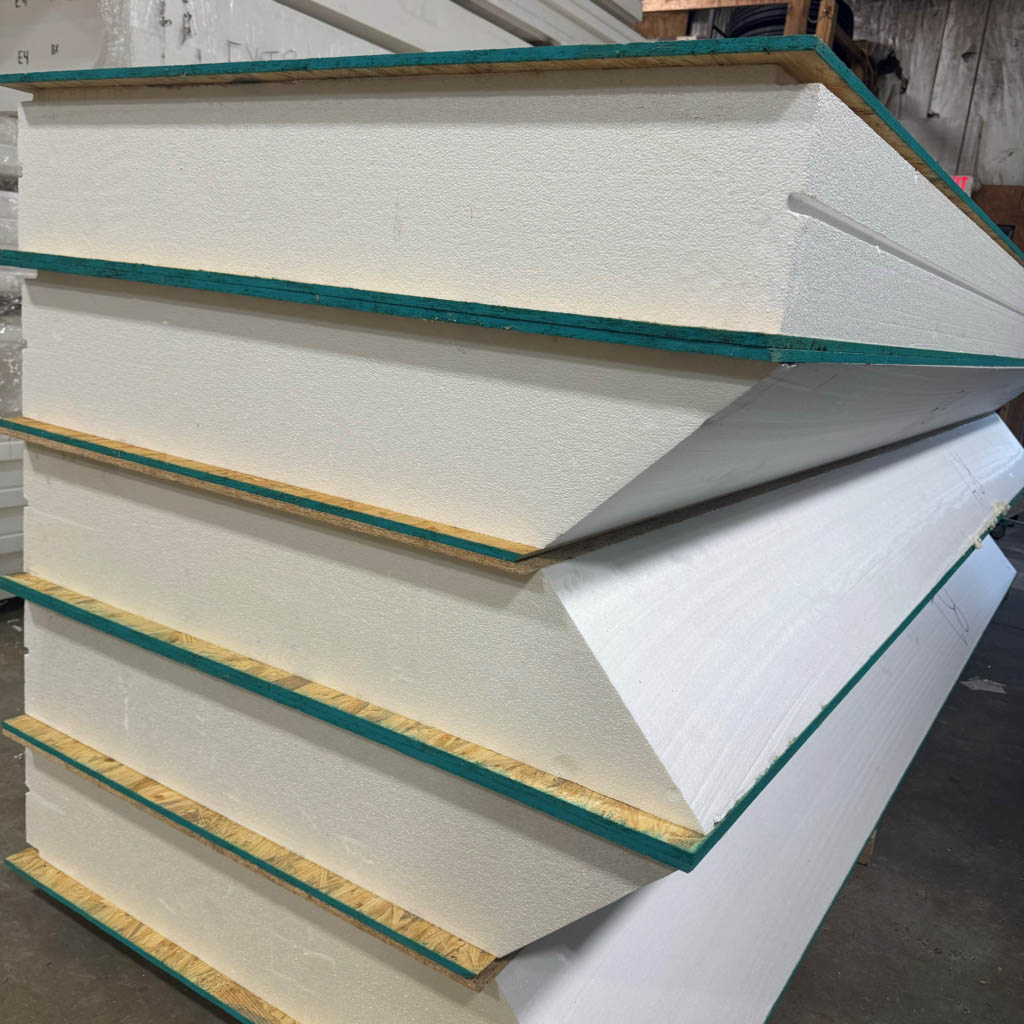
We provide the timber frame and structural insulated panels (SIPs) for this design.

  1. The Timber Frame:
    Your choice of Eastern White Pine or Douglas Fir
  2. The Structural Insulated Panels:
    Your choice of EPS or GPS foam

To get a full plan set or to customize this design, please complete our Request an Estimate form to get started or call us at 802-453-3727 to ask questions.

Start Early:

Timber Frames and SIPs can accommodate almost any design vision you have, but it really helps to get us involved early, before the floor plan is finalized. This allows us time to provide input on things like placement of the timber posts, window locations that will work with the timber frame layout, and other structural and aesthetic considerations.

Please complete our Request an Estimate form to get started or call us at 802-453-3727 to ask questions.


Just ordered my new home, can’t wait to see it go up.

Rob Macklin
Review Source: Google

Notes (click to open and close)
Pricing Factors

Generally, the timber frame and panels make up about one-quarter to one-third of the total building cost, excluding land and site development costs.

Several key factors drive the cost of a timber frame build. See below for more details.


1. Wood Species
2. Truss Complexity
3. Roof System Complexity
4. Complex Geometric Shapes
5. Build Site Accessibility
6. Decorative Timber Elements
7. Number of Stories
8. SIP Cores
1. Wood Species
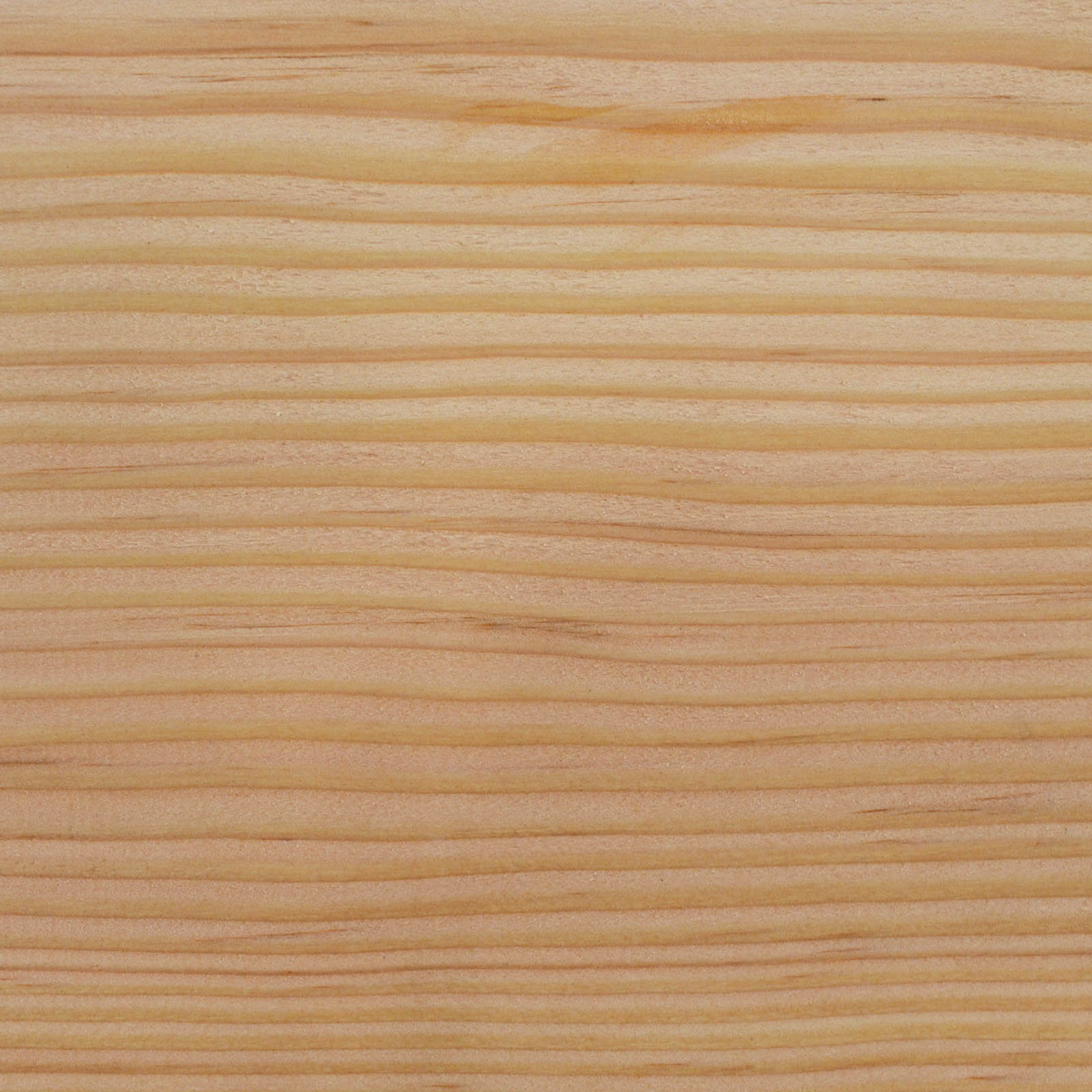
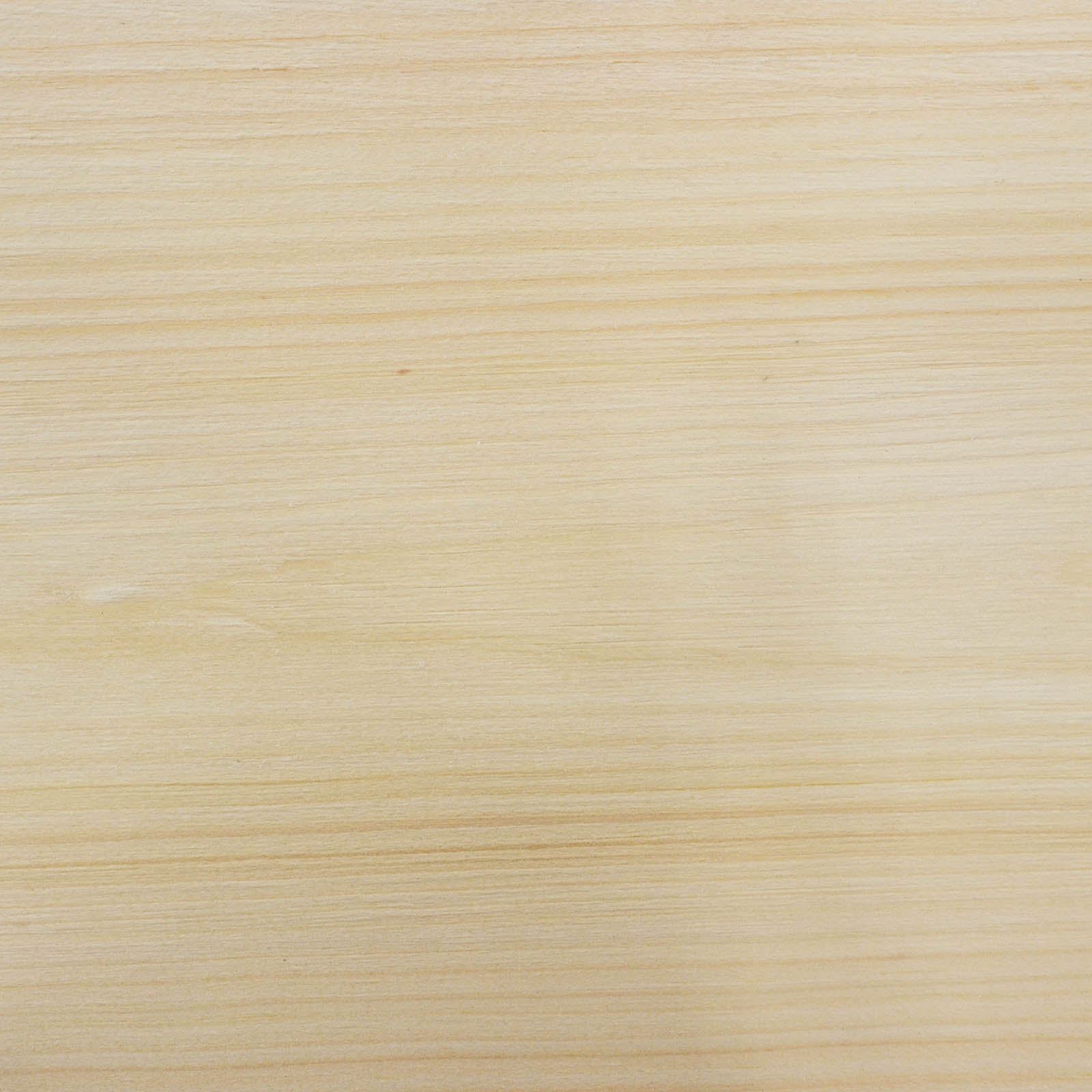
The choice of wood species plays a significant role in the overall cost of a timber frame project. Different species vary in price due to factors like availability, strength, and appearance. For example, Douglas fir is often preferred for its structural integrity and aesthetic appeal, but can be more expensive than locally sourced options like Eastern white pine.
Douglas Fir end grain
Douglas Fir
Eastern White Pine long grain
Eastern White Pine
2. Truss Complexity
The complexity of timber trusses can significantly affect both material and labor costs in a project. Simple truss designs, like king post or queen post trusses, are more affordable, while more intricate designs, such as hammer beam or scissor trusses, require additional craftsmanship and engineering. Complex trusses add architectural grandeur but come with increased time and expense for construction and installation.
King Post Truss example
King Post Truss
Hammer Beam Truss example
Hammer Beam Truss
3. Roof System Complexity
The complexity of the roof system significantly impacts the cost of a timber frame project. Simple gable or shed roofs are more cost-effective, while intricate designs like hips, valleys, and dormers require more labor and materials, driving up expenses. A more complex roof can add architectural interest but may also increase the time needed for both design and construction.
Simple roof truss system example
Simple Roof System
Complex roof truss system example
Complex Roof System
4. Complex Geometric Shapes
Design drawings incorporating complex geometric shapes into a timber frame design, such as curves or intricate angles, can greatly influence project costs. These unique elements require specialized craftsmanship and more precise engineering, which increases both labor and material expenses. While complex shapes can create stunning visual appeal, they also demand a higher level of expertise and time to execute.
Simple building shape - rectangular timber frame garage
Simple Building Shape
Complex building shape - rectangular timber frame garage
Complex Building Shape
5. Build Site Accessibility
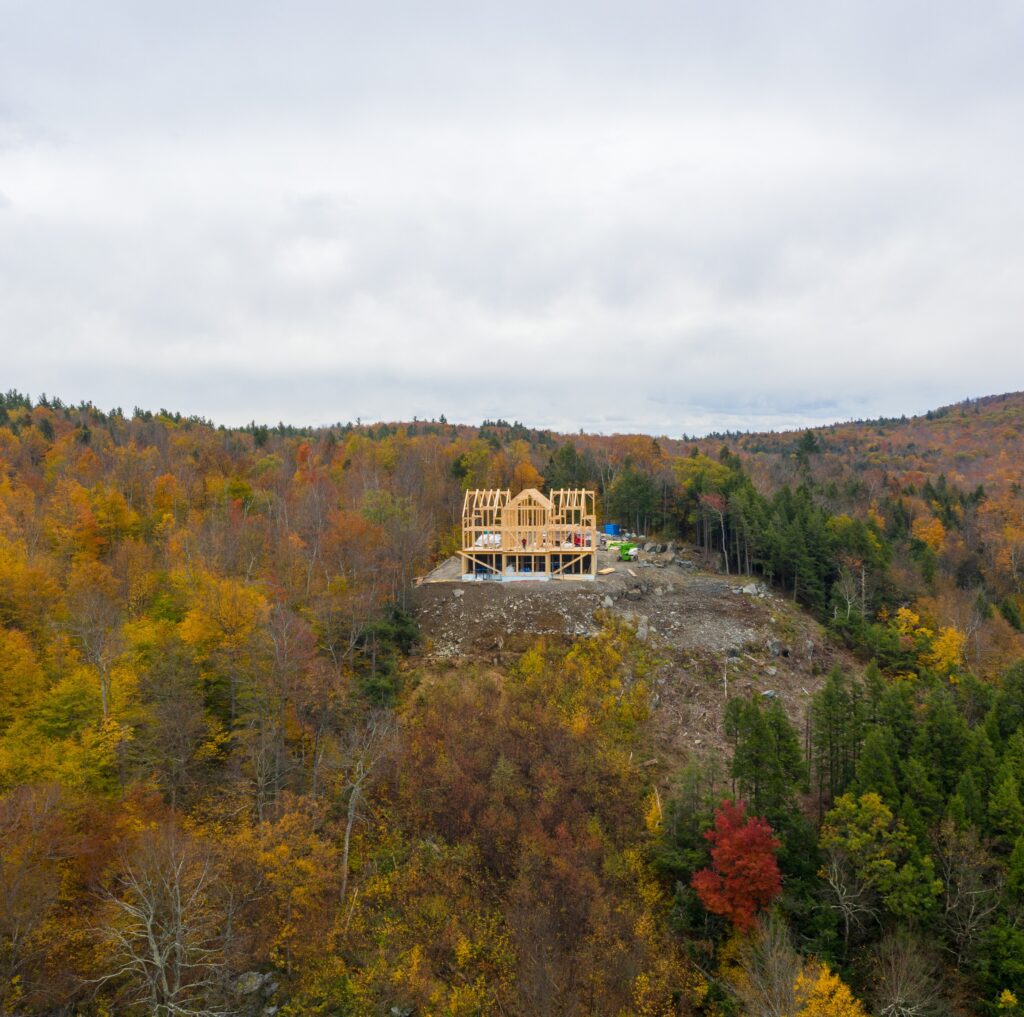
Build site accessibility plays a crucial role in determining project costs. Sites that are hard to reach, have steep terrain, or lack proper access roads can increase labor time and transportation costs for materials and equipment. Ensuring easy access to the site can help streamline the construction process and reduce unexpected expenses.
Image
Easy to reach
An example of a site that's difficult to reach
Difficult to reach
6. Exterior Decorative Timber Elements
Exterior decorative timber elements, such as exposed beams, trusses, or brackets, add character and visual appeal to a timber frame home but can also increase costs. These details require additional materials and skilled craftsmanship to install, especially if custom designs are involved. While decorative elements enhance the overall aesthetic, they do cost more.
Example of a porch bent on a home.
Exterior Porch Bent
Image
Exposed Trusses and Beams
7. Number of Stories
Generally speaking, achieving a larger living space through increased height, is more affordable than expanding the building footprint. That is because concrete is extremely expensive. That said, height is not free. Simply put, taller buildings require larger timber posts, and therefore cost more than shorter buildings.
Example of a single story timber frame
Single Story Timber Frame
Example of a two story frame
Two Story Timber Frame
8. SIP Cores
The core material of Structural Insulated Panels (SIPs) directly affects both cost and energy efficiency. We offer expanded polystyrene (EPS) and graphite polystyrene (GPS) cores for our SIPs, which are proven insulating cores. Learn more about Structure Insulated Panels (SIPs).
Expanded Polystyrene (EPS) Insulation
Graphite Polystyrene (GPS) Insulation