Wood was the primary material used for construction before the 19th century. Between stone and timber, many builders preferred timber, as it is easier to work with, collect, it is more advantageous structurally, and is a renewable source.
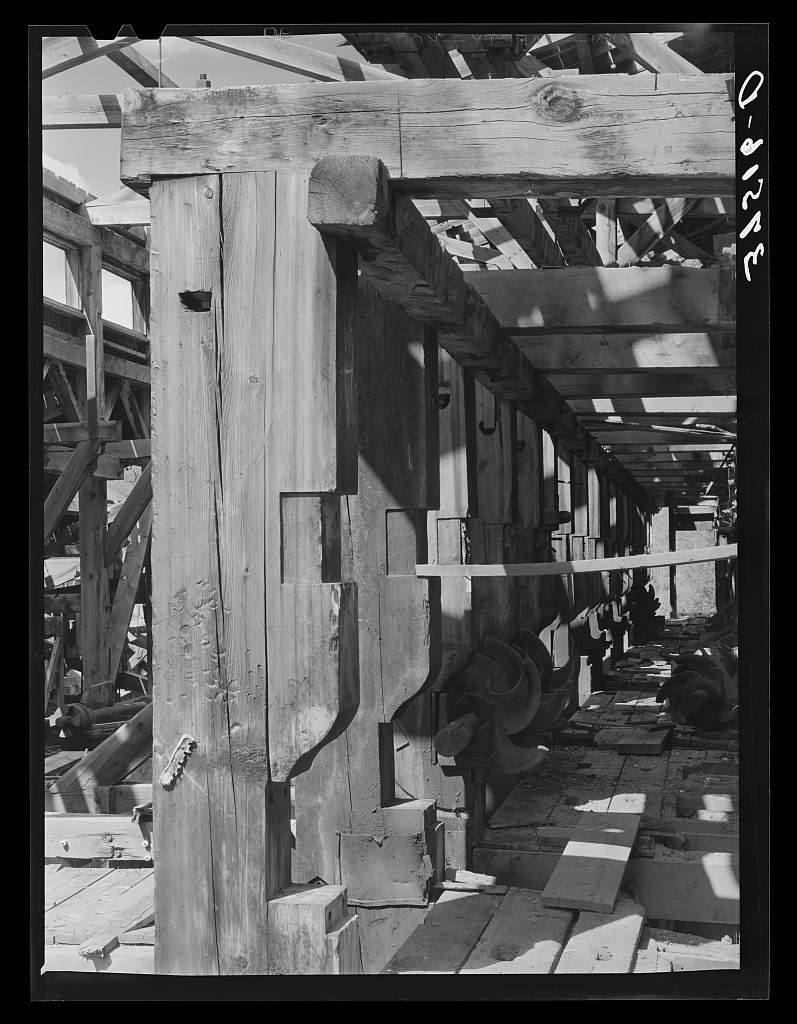
Early cultures in Asia, Europe, and the Middle East (anywhere lumber was readily available) developed their own joinery methods adapted to their location. For example, Asian architecture shows an advanced understanding of timber joinery in its dougong system, built to resist seismic activity and used to build the tallest timber structure in the world. Europe used different joinery, relying on the mortise and tenon. The use of columns, beams, and joinery accumulated in the method of construction called timber framing.
Timber framing was so common in Europe that the rate at which wood was used outpaced that of growth, causing a shortage of available materials. Builders tried to adapt the building method by using shorter timbers, but eventually, with less available wood, stone and masonry became the mainstream construction materials, and timber framing fell out of fashion.
Early American Framing
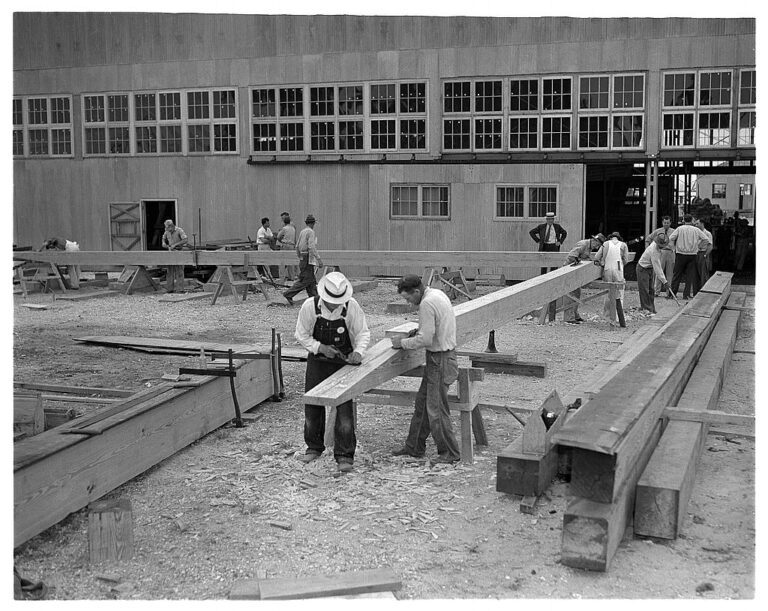
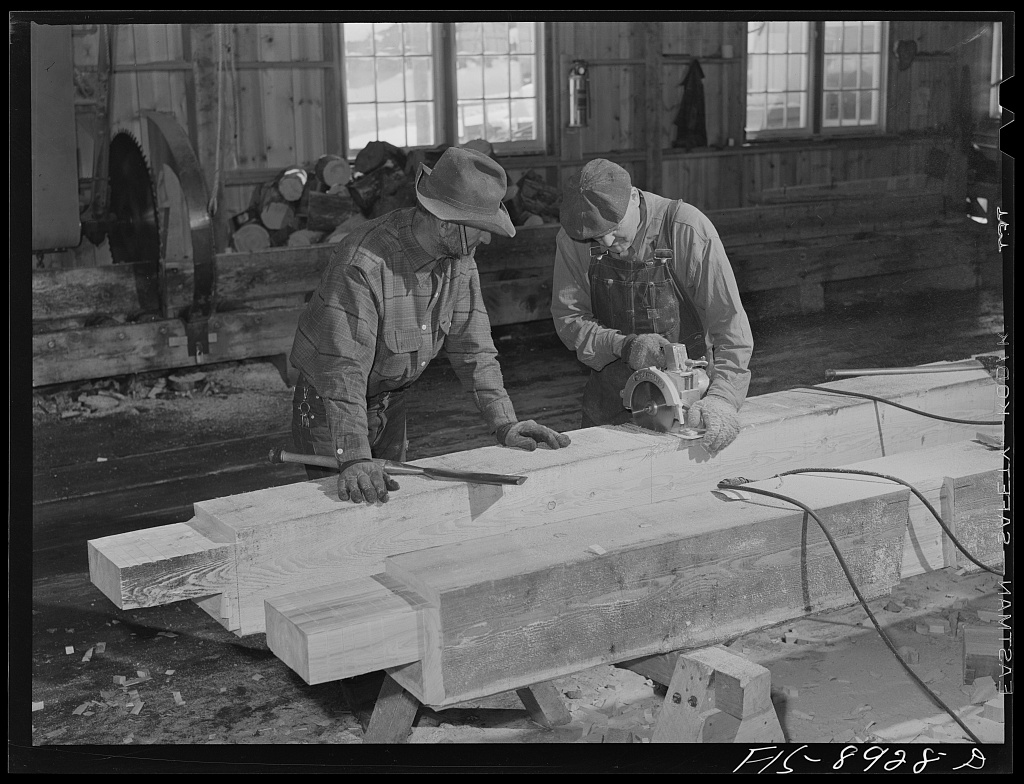
With the colonization of the Americas, and the discovery of new un-harvested forests, timber framing began to flourish again. Timber framing quickly became its own trade. Farmers needing a new building would gather materials over winter, and then, with the advisement of a master timber framer, the whole town would gather and raise it over the summer.
During this first revival, settlers developed unique styles of timber frames, using the same mortise and tenon joinery prevalent in Europe. These unique styles included Cape, Saltbox, Colonial, and Gambrel-type frames.
Modern Revival
Following a similar trend as in Europe, large timbers became increasingly scarce in America. As the Industrial Revolution started mass-producing metal products such as nails and mills began manufacturing smaller two-by-lumber, timber frames again fell out of fashion, replaced by the cheaper and easier-to-handle stick-built homes.
Despite the construction method falling out of favor, timber frames continued to see use, especially when adequately weather-proofed. After forming a respect for timber frame’s longevity and natural beauty, a group in New England began timber framing’s second revival, realizing many of its flaws had been resolved by developing technologies and reintroducing the artisanship lost to the construction industry.
By prefabricating and shipping the timber frames and using cranes to raise them rather than communities, the costs and speed were significantly reduced, allowing the timber frame to be constructed faster and at comparable prices to other construction methods. Timber frames have also become an extremely sustainable building method. They’re built from a renewable source, and accomodate one of the most efficient insulation materials available (SIPs).
Today, Vermont Frames is proud to carry on the tradition of Timber Framing, instilling a new generation with love and respect for this timeless craft.
Timber Frame Styles
Gambrel
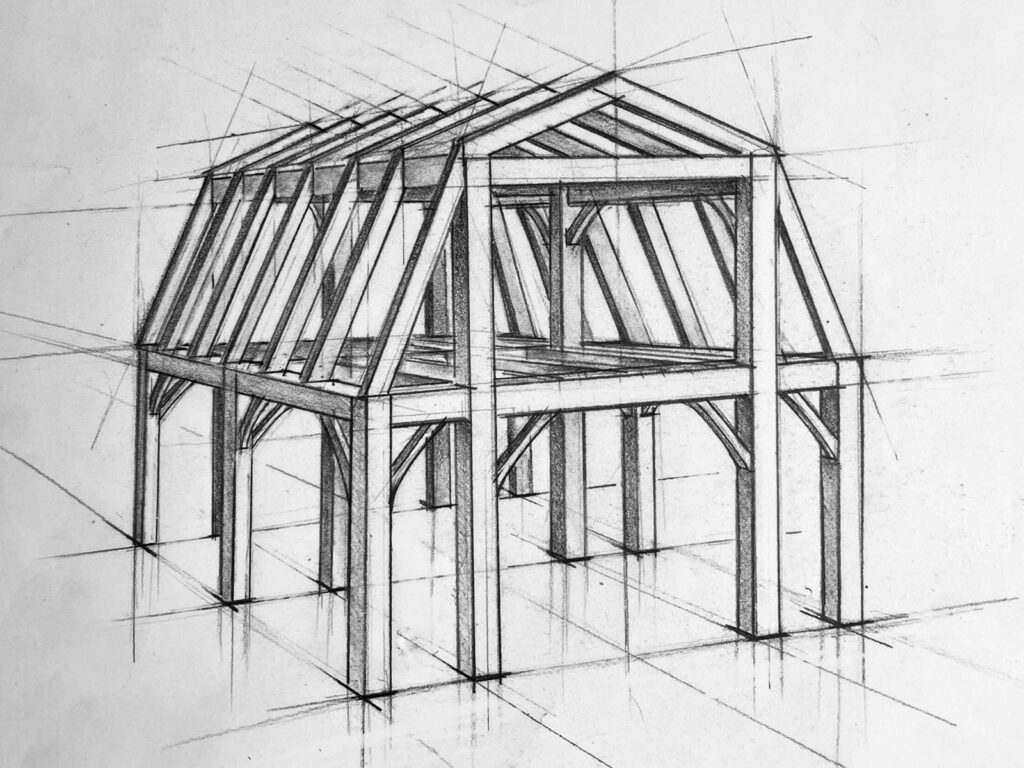
The Gambrel frame offers lots of headroom in the upper stories, making it ideal for storage. With pitched roofs on two sides that form an overhang, it’s practical and charming.
Saltbox
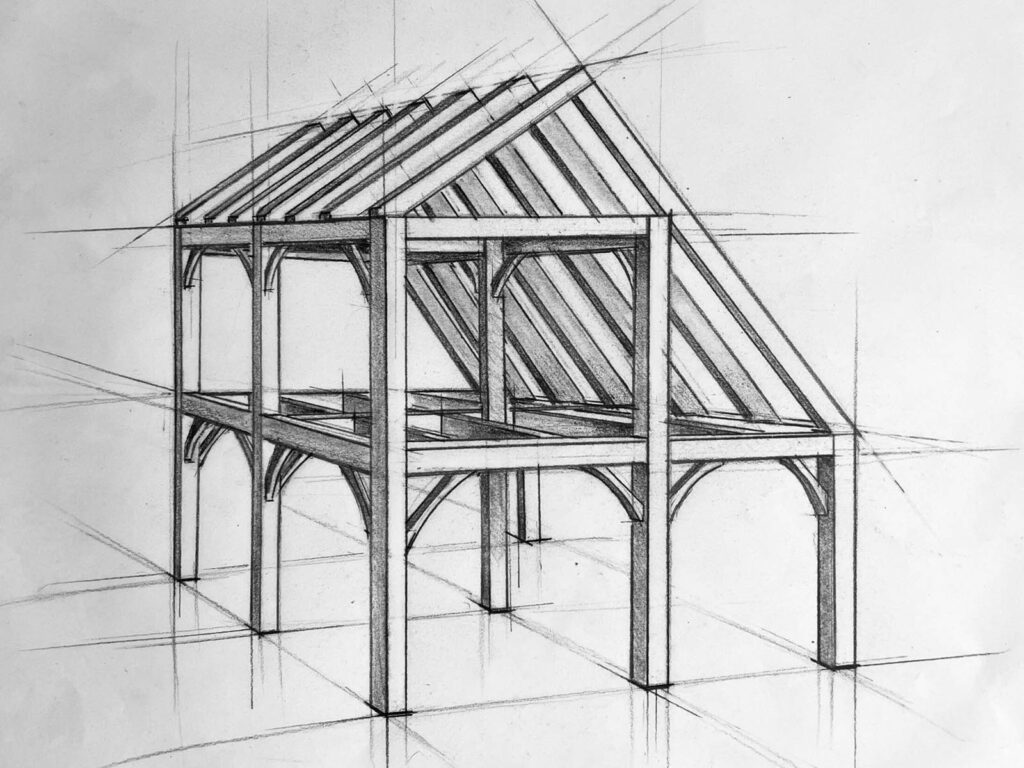
Designed to direct northern winds over the roof while maximizing southern sunlight exposure, the Saltbox-style frame is both functional and aesthetically pleasing.
Cape
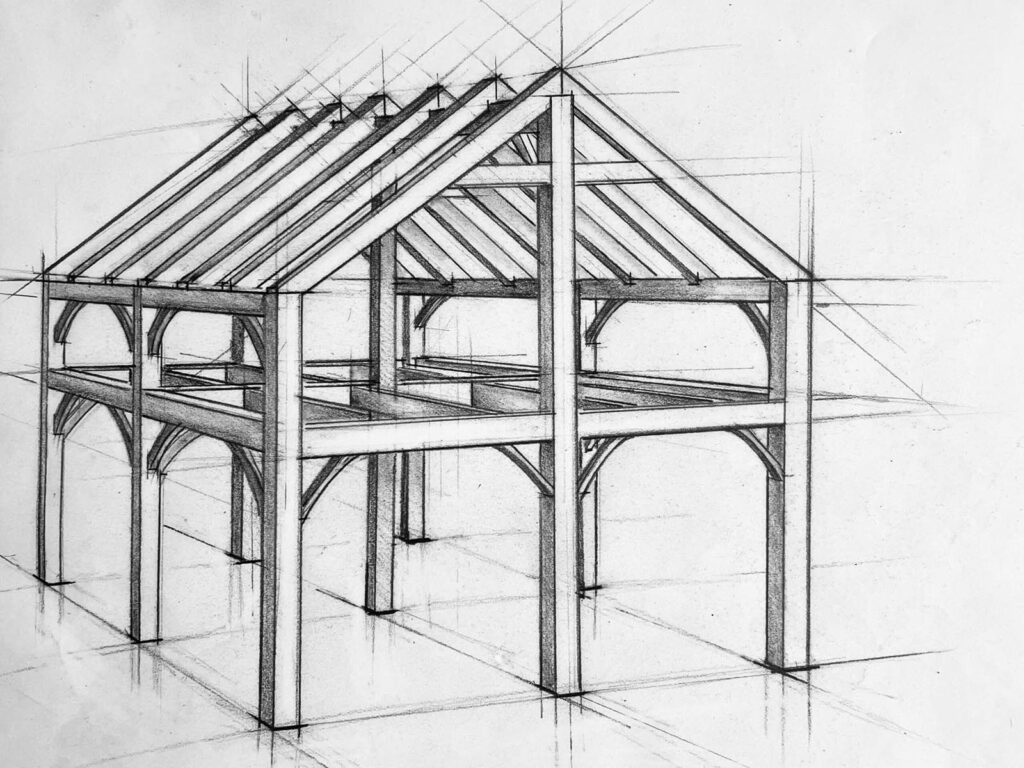
Popular in Cape Cod, these frames feature gable roofs and are one to one and a half stories tall, with knee walls ranging from two to six feet in height.
Colonial
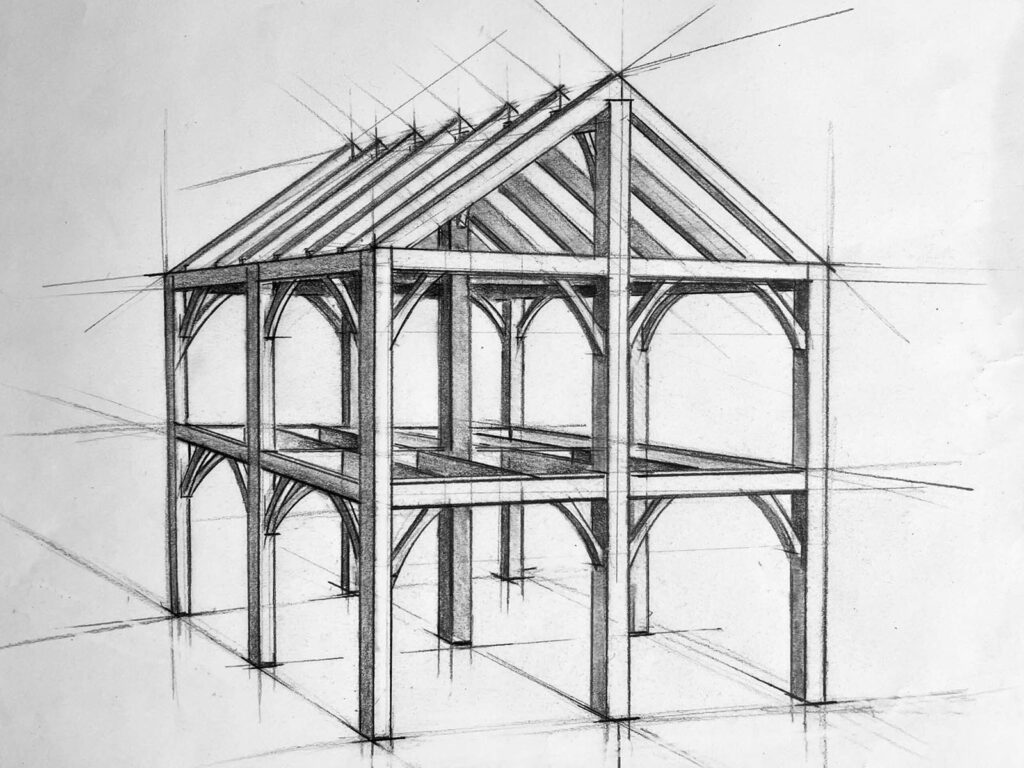
Colonial-style frames are similar to Cape frames but are over one and a half stories tall, offering a classic and timeless look.
Contemporary
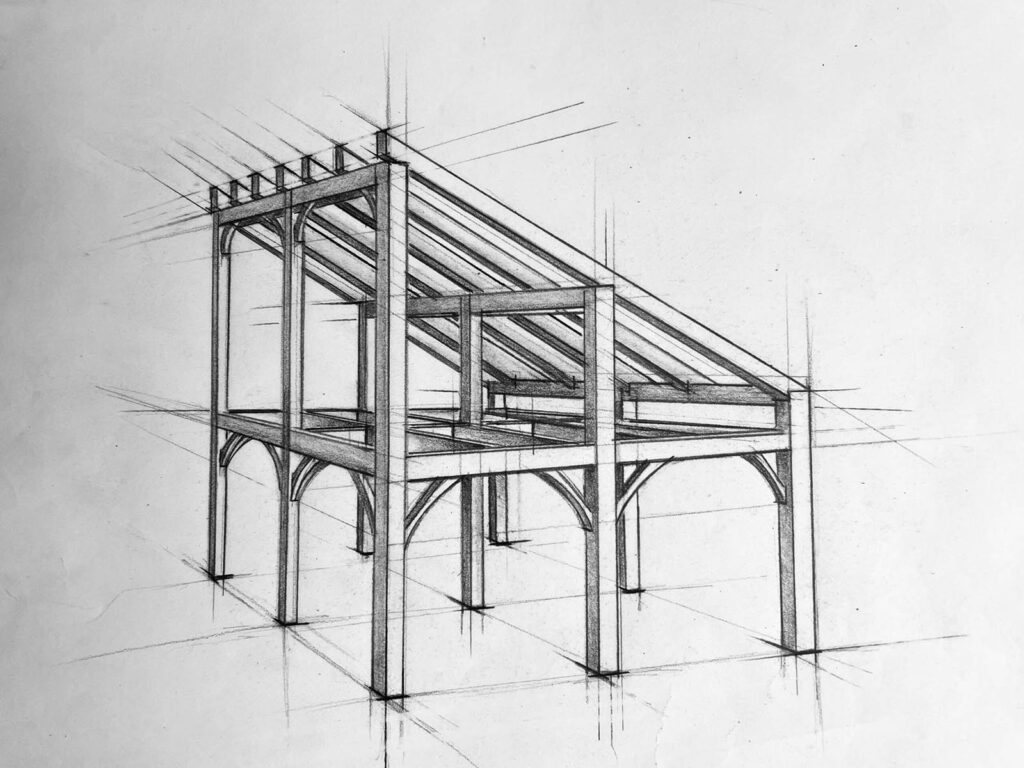
Contemporary frames feature a single-pitch roof. Once simple and utilitarian, contemporary roofs are now a stylish choice for modern home designs.